
Trauma
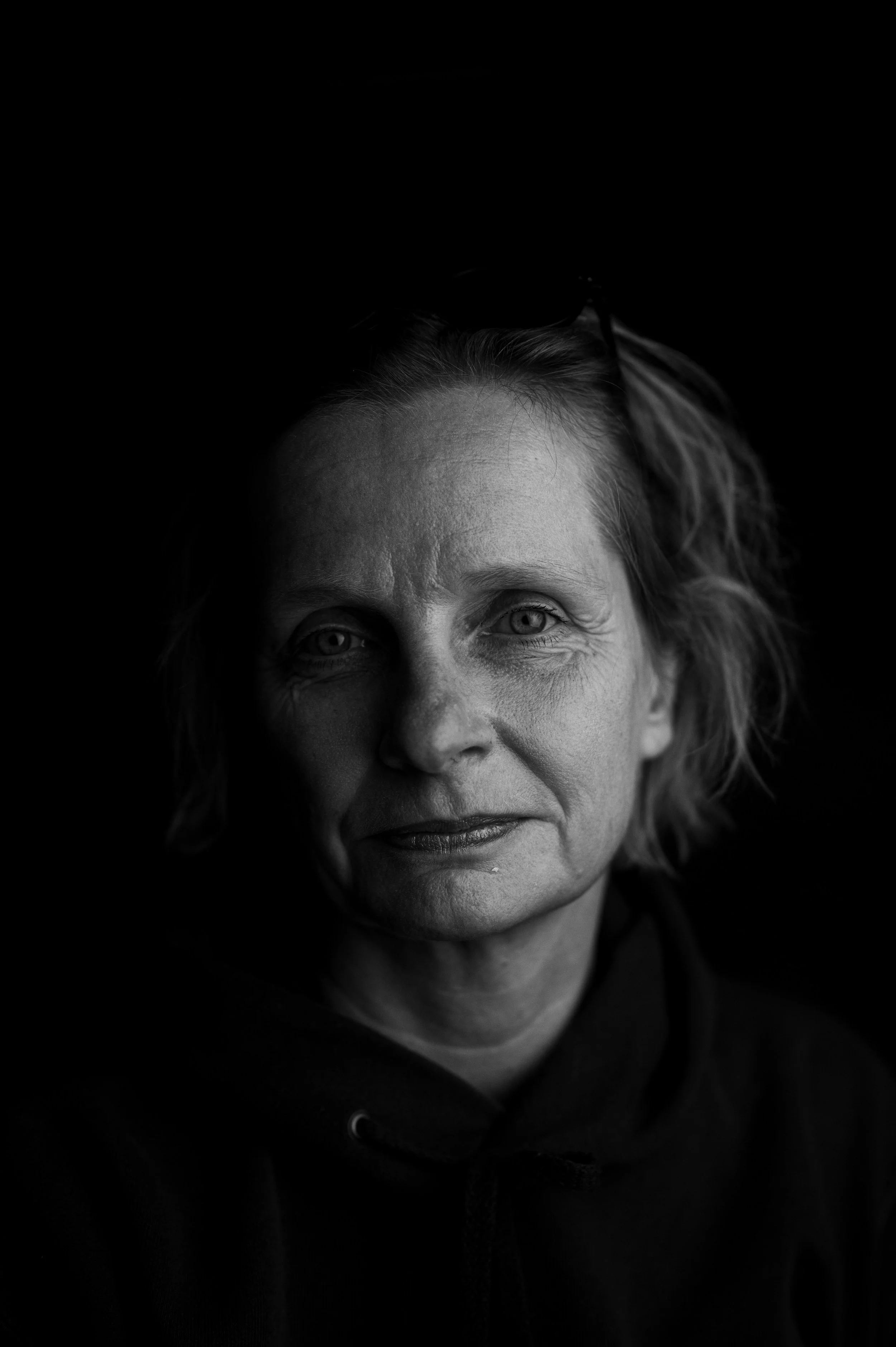
You don’t have to keep carrying the past in your body
Sometimes your mind has moved on, but your body hasn’t.
Cellular Healing is for people who have lived through major life experiences that changed them—and are ready to work with the patterns their bodies learned along the way.
Childhood trauma. Generational patterns like genocide, war, addiction or trauma that predates your birth. Divorce. Death and loss. Addiction and recovery. Illness. A mental health crisis. A major life transition. Sometimes it was one defining event. Sometimes it was years of experiences that taught you how to survive. Sometimes it’s the survival patterns you inherited without knowing exactly where they came from.
You may understand exactly what happened. You may have done the therapy, the journaling, the talking about it. You may have grieved it, forgiven, recovered or rebuilt your life.
The logical part of your brain may understand that it’s over. Your animal brain may still be carrying it.
Your body remembers.
You get tight or uptight. You shut down. You tune out. You over-function. You can't rest. You crave control. Something in you is still watching for what might happen next. Your mind may know that the danger has passed, while your body is still behaving as though it isn't actually safe to move on.
That’s where Cellular Healing comes in.
The first step is a private conversation with Nina.
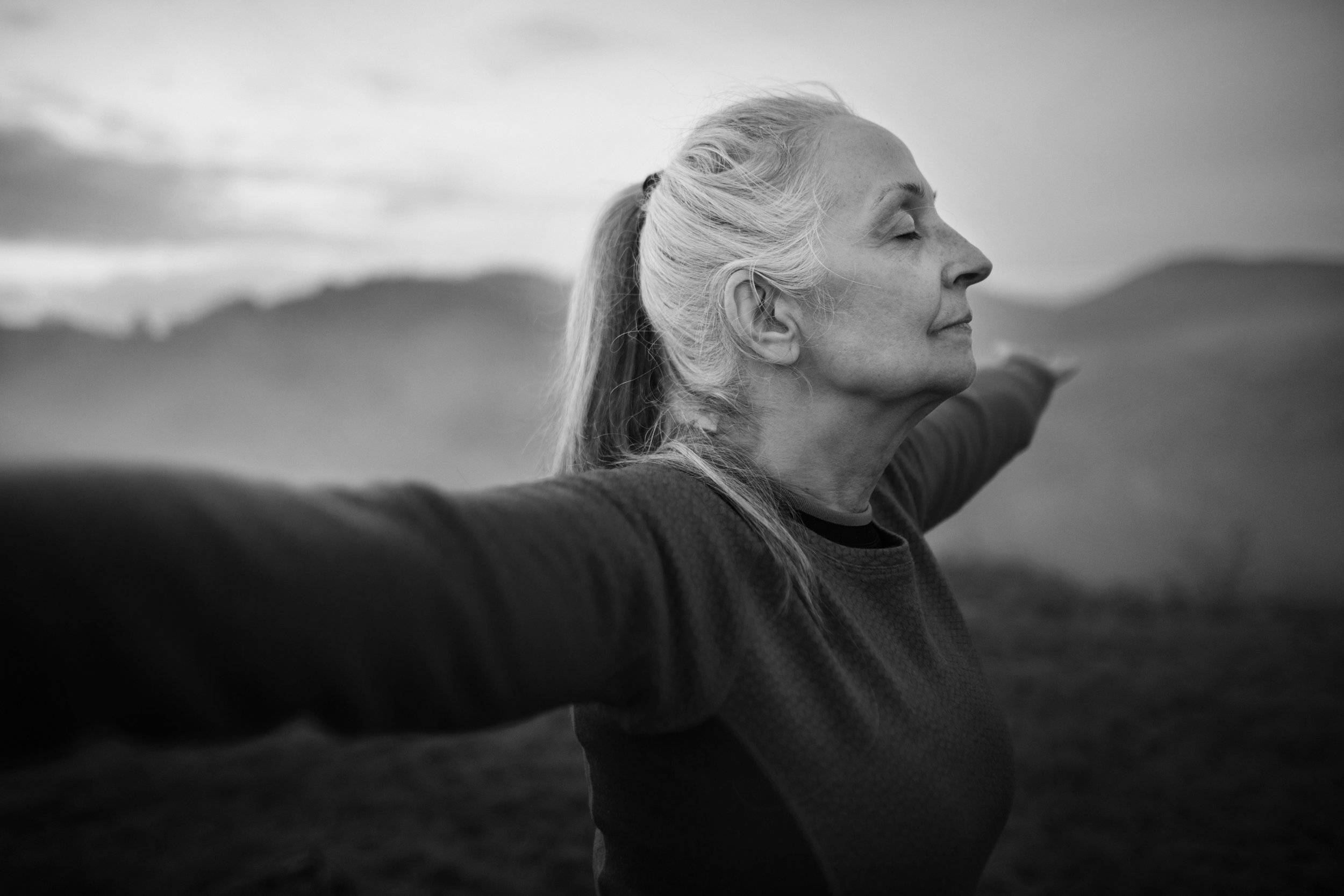
Sometimes moving on and feeling safe enough to move on are two different things
Perhaps you grew up in a home where you learned to read the room before you entered it. You learned to keep the peace, stay small, perform, take care of everyone else or anticipate what might happen next.
Maybe there was a divorce, a death, a betrayal or another loss that divided your life into before and after. Perhaps you've recovered from an illness, addiction or a period when simply getting through the day required everything you had.
Or maybe what you carry isn't entirely yours. Families pass down ways of responding to fear, conflict, scarcity, grief and survival. We learn from the people who came before us what is safe, what isn't, and what we need to do to belong.
Years later, the circumstances may be completely different. You may have done a great deal of work already.
And still find yourself wondering:
Why am I still carrying this?
I know something about what the body learns in order to survive
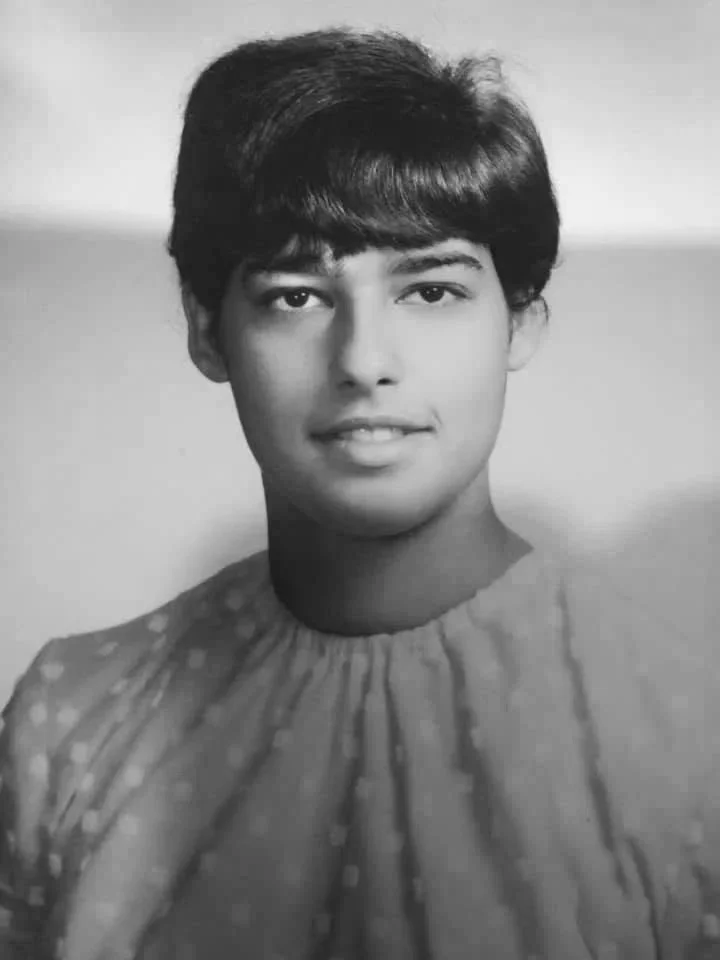
I was nineteen when I was diagnosed with Myasthenia Gravis. Lupus and several other autoimmune diseases followed.
By twenty-six, it was 1978 and the life I had expected to be living was happening all around me. My friends were marrying, having babies and forging careers. I had recently had a play off Broadway. And now I was moving between a wheelchair and a bed.
There were good hours when my body cooperated, followed by hours when it didn't. I had double vision. Sometimes I had to hold my jaw with my hand in order to chew.
I was fortunate to live in New York, where I had access to gifted physicians. There were surgeries and medications. My doctors kept me alive, and I remain profoundly grateful for that.
But the life they saved was very far from the life I had imagined for myself.
Eventually, I began looking beyond the question of how to stay alive and became interested in another one:
How was I going to live?
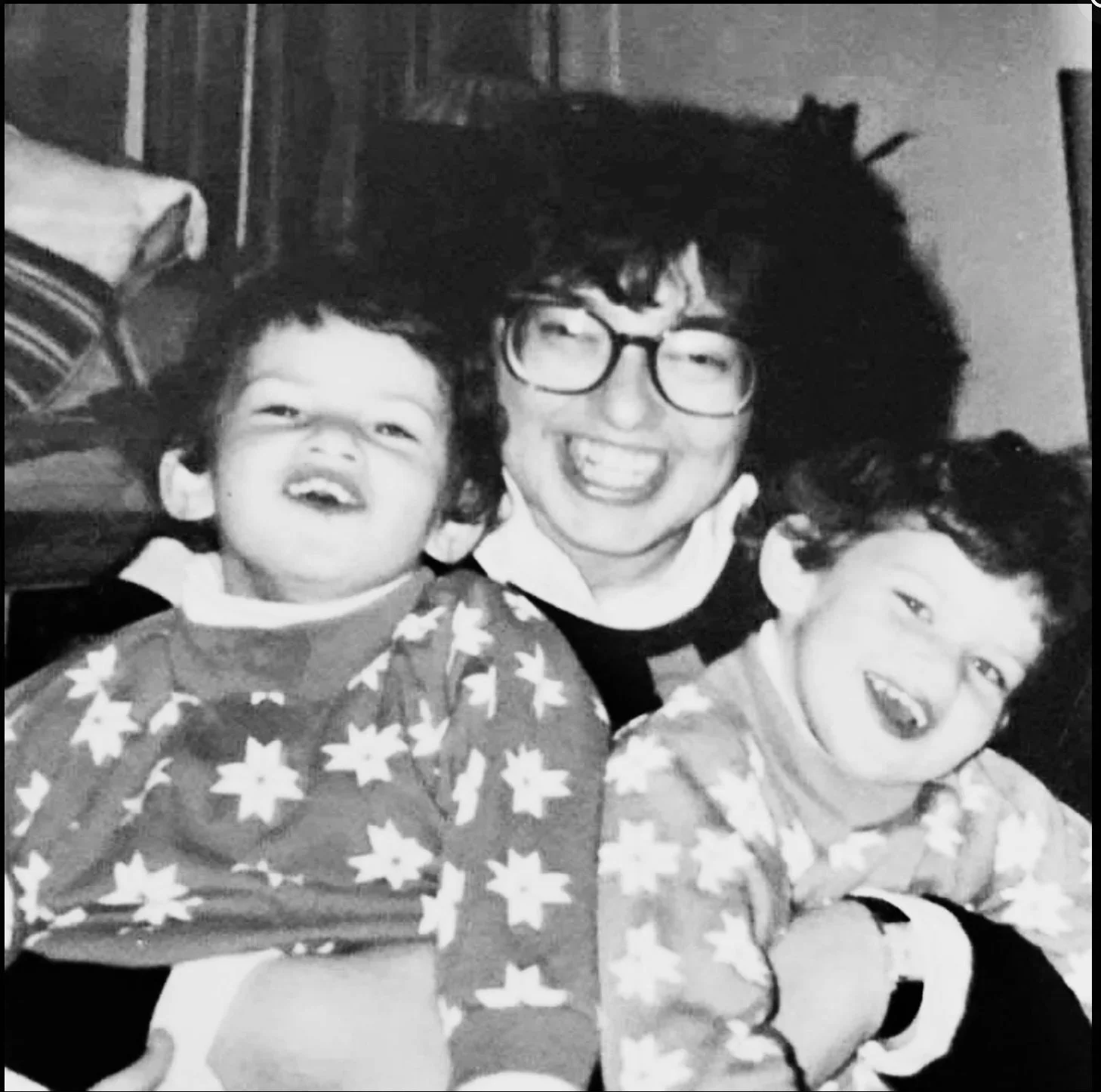
Western medicine kept me alive
Mind Body Medicine made my life livable
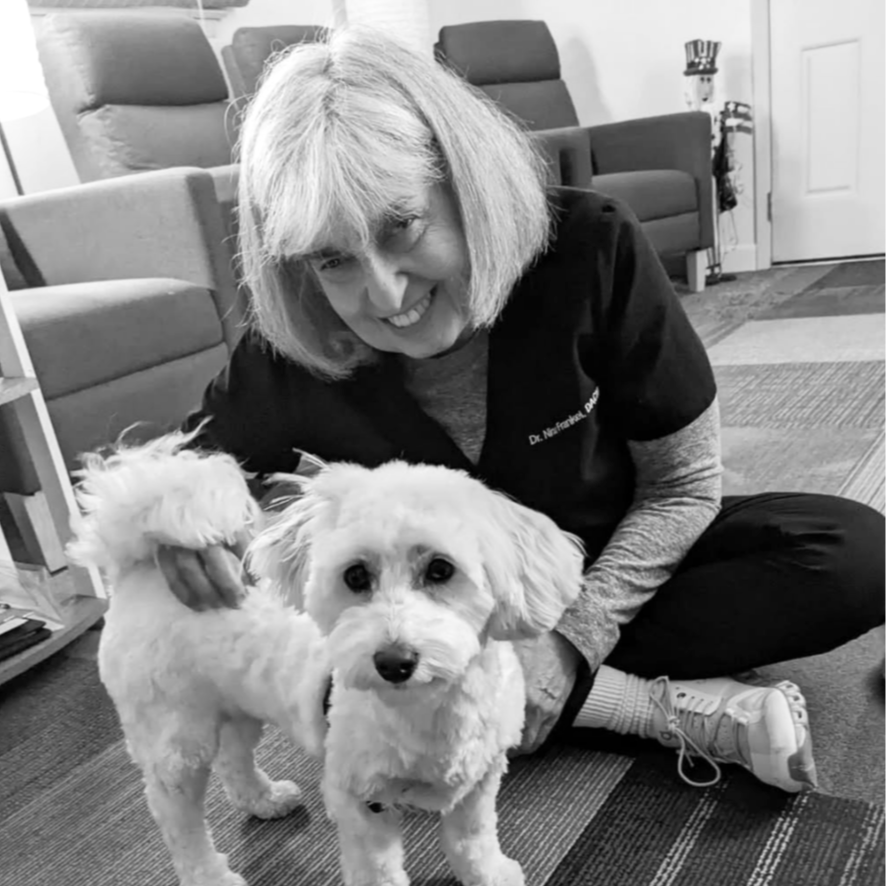
I explored what was available at the time: nutrition, meditation, psychotherapy and eventually the early work of physicians Carl Simonton, Jerry Jampolsky and Bernie Siegel, who were exploring ideas we would now recognize as mind-body medicine.
At first, the changes were hardly dramatic. I simply noticed that I could function a little longer before I had to go back to bed.
So I kept going.
I attended workshops first as a patient and later as a student. I kept what worked and discarded what didn't. Over the years I refined the process, studied, went back to school and eventually spent more than twenty years practicing acupuncture while incorporating everything I had learned.
I also remarried. Had children. Traveled. Built a career.
Years later, a neurologist looked at my medical history and asked me why I wasn't in a nursing home.
I left his office.
His idea of what was possible for my body was not an idea I was interested in adopting.
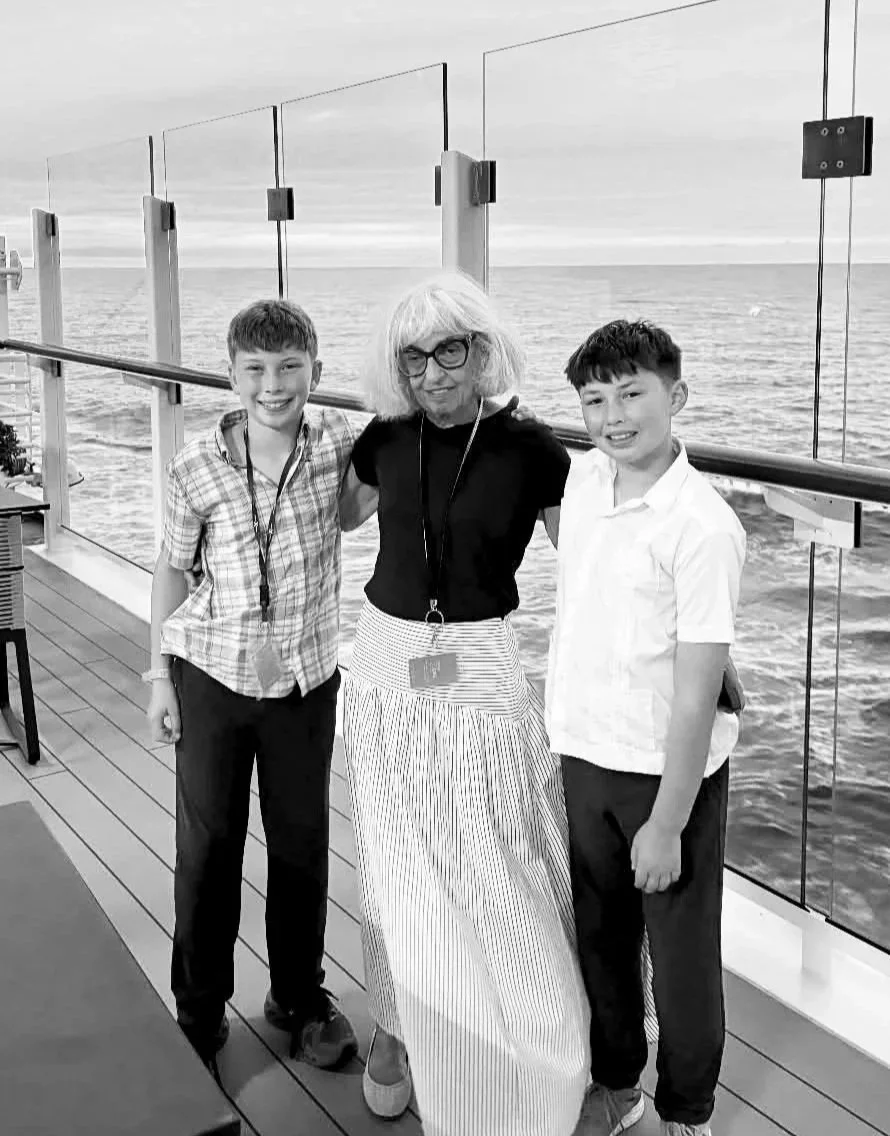
I'm seventy-five now. I have outlived all of my mentors and all but one of my doctors. I still live with a complicated body.
I also lift weights, travel, write, work and remain very interested in what else might be possible.
Cellular Healing grew out of fifty-five years of asking and learning how to LIVE.
What is Cellular Healing?
When we live through something difficult, frightening or overwhelming, we adapt.
We learn how to protect ourselves. We learn what to watch for. We learn when to brace, when to disappear, when to fight, when to keep everyone happy, when not to trust, when not to feel.
Those responses may have been exactly what you needed at the time.
The problem is that the body can continue running a pattern long beyond its usefulness.
I work with those patterns.
During a session, I guide you into a deeply restful state where we can begin to notice what your system has learned and work with it differently. You are awake and aware throughout. This isn't something being done to you, and it doesn't require you to meditate, clear your mind or think positively.
Over time and through repetition, the body can experience other possibilities besides the ones it has practiced most.
This work doesn't erase what happened. It doesn't ask you to forgive anyone, relive painful memories or convince yourself that everything is fine.
The past remains part of your story. It doesn't have to keep writing every chapter.
You don't have to understand everything before you're allowed to let it go
Sometimes we believe that if we can just understand the experience well enough, we'll finally be free of it.
And understanding matters.
But you may already understand a great deal.
You may know why you choose certain relationships. Why conflict makes your heart race. Why you become hyper-independent. Why rest makes you uncomfortable. Why you disappear when someone gets angry. Why you take care of everyone except yourself.
You may have spent years in therapy. You may have made peace with people who hurt you. You may have rebuilt your life.
And still notice that your body has reactions your thinking mind can't talk it out of.
You don't have to arrive here calm, resolved or ready to tell your entire story.
We meet on Zoom, in the privacy of your own space. You remain in control throughout the session. We work with the body you have that day and with what is actually present.
You don't have to perform being healed in order to continue healing.
We begin with a conversation
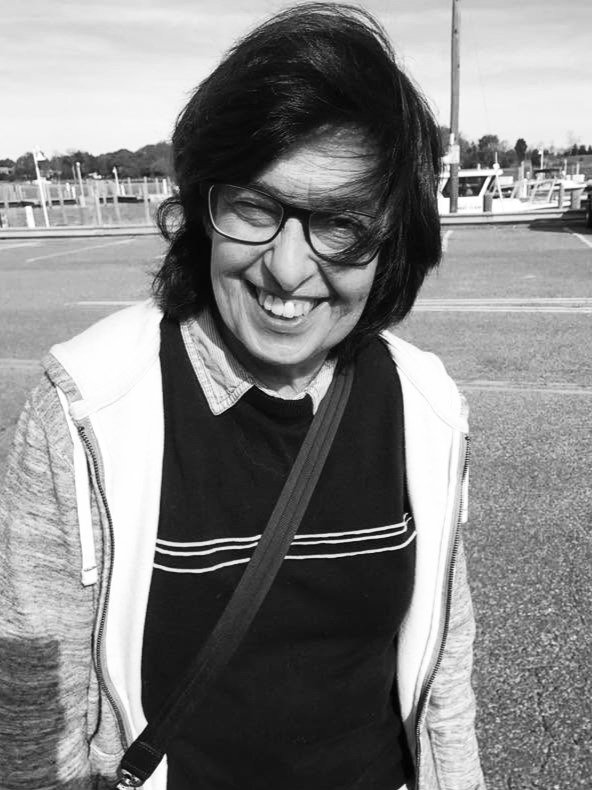
Before we work together, I want to meet you
We'll talk about what you've been living with, what you've already done, what you notice in your body and your life now, and what you want for yourself moving forward. You can ask me whatever you need to ask.
You do not need to tell me every detail of what happened to you.
I also want to understand whether I believe this work is appropriate for you. If I don't, I'll tell you.
If we decide together to continue, Cellular Medicine begins with a series of four private, one-hour sessions on Zoom. The initial series is $1,800.
Four sessions give us enough time to identify the patterns your system has developed, work with them more than once, and begin to see what changes.
But you don't need to decide any of that now.
The first step is simply a conversation.
A few questions worth asking
-
No. Cellular Healing is a complementary mind-body practice and is not psychotherapy or mental health treatment. It can work alongside therapy or other appropriate mental health care.
-
No. You can tell me as much or as little of your story as you want. We are interested in what your system is doing now, not in forcing you to revisit experiences you don't want to revisit.
-
No. I don't believe you need to overwhelm yourself in order to change a pattern. You are awake, aware and in control throughout our work together, and you can stop at any time.
-
Many people come to mind-body work with an excellent understanding of themselves. They know where their patterns began and why they developed.
Understanding can be enormously valuable. Cellular Healing approaches the question from another direction: What has your body learned, and what is it still practicing?
-
Then we begin with who you are today.
Something does not need to have happened recently for you to notice its effects in your present life. We work with the patterns that are here now and with what else might be possible.
-
Cellular Healing is not a replacement for mental health care, addiction treatment or crisis support. If you're currently receiving care, this work may be considered alongside it when appropriate. Nina will talk with you about your circumstances during your initial conversation and whether Cellular Healing is a good fit at this time.
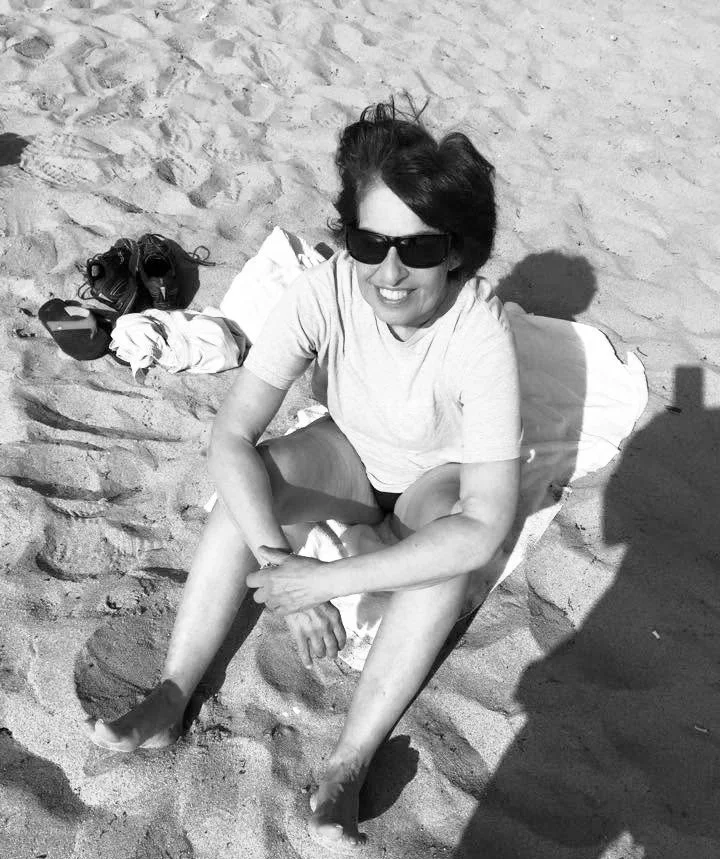
There is more to you than what has happened to your body
I cannot tell you where your story goes from here.
Nobody can.
What I can tell you is that I have spent most of my life interested in the distance between a diagnosis and a life.
If something in what you've read here feels familiar, let's talk. Tell me what's happening. I'll listen. We'll ask some questions and see whether Cellular Healing is the right next step for you.
No promises. No pressure. No need to know before we begin.
Curiosity is enough.
Private conversation with Nina Frankel · Sessions available on Zoom