
I have spent most of my life interested in this Question:
What else is Possible?
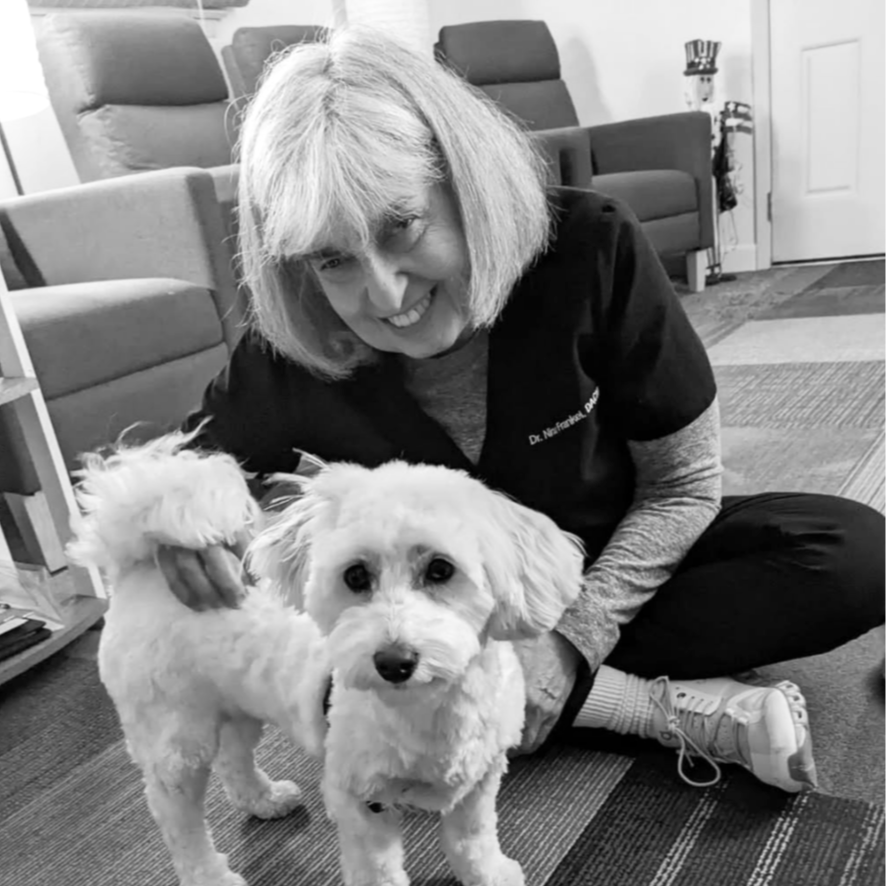
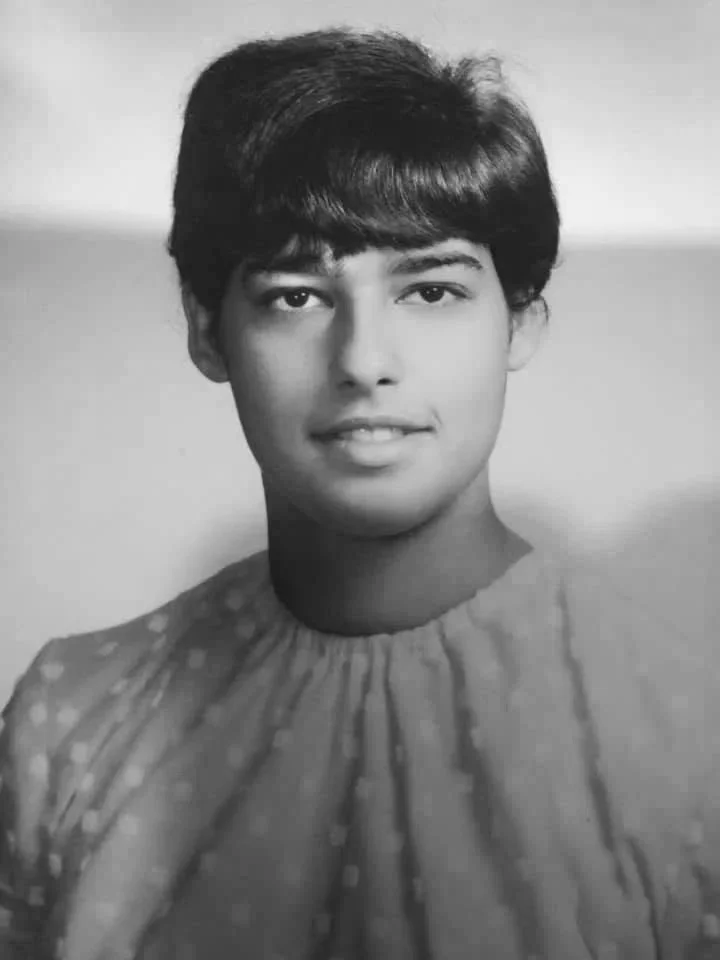
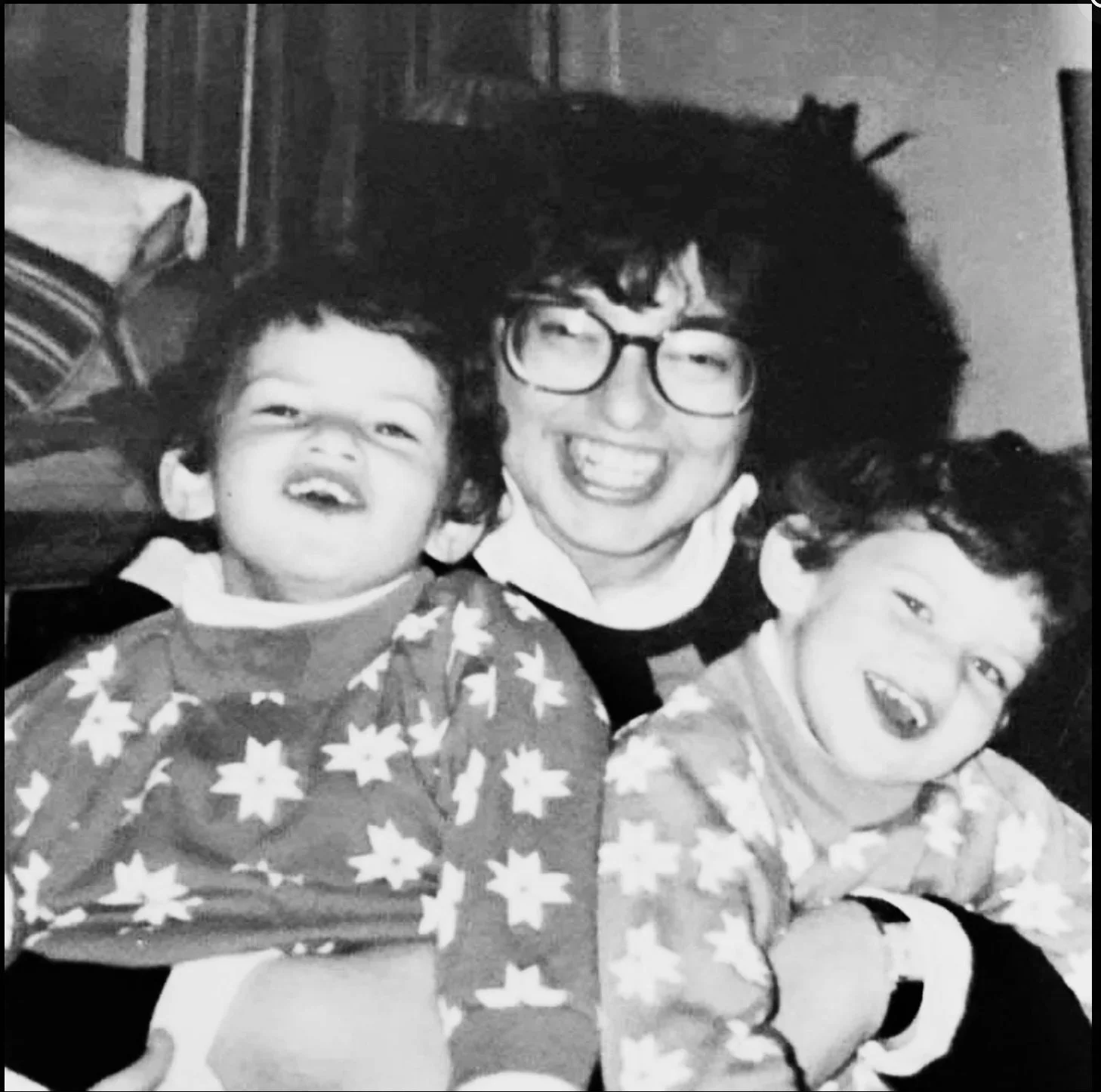
At the age of twenty-six, I realized that life continues and doesn’t care about your résumé or your dreams. The universe knows nothing about your educational achievements, the people you love, or the fact that you recently had a play off Broadway.
It was 1978. My friends and my ex-husband were marrying, having babies and forging careers. I was moving between a wheelchair and a bed.
I had been diagnosed with Myasthenia Gravis at nineteen. Lupus and several other autoimmune diseases followed, and by my mid-twenties I had become accustomed to a body whose capacities could change within hours. I could be walking and then unable to walk. I had double vision. Sometimes chewing meant putting my hand underneath my jaw and moving it manually.
I was fortunate to live in New York, where I had access to gifted physicians. There were surgeries and medications, and those physicians kept me alive. I remain enormously grateful to them.
But the life they saved was very far from the life I had imagined for myself.
That was the beginning of a question I have now been asking for more than fifty years:
How was I going to live?
Western medicine kept me alive
The rest made my life livable
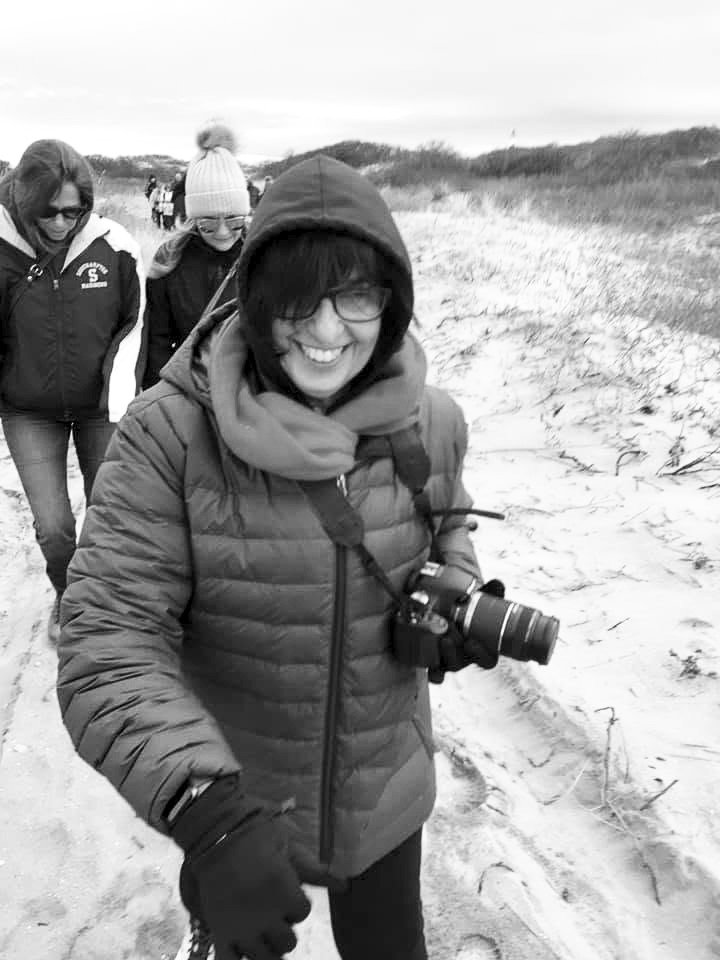
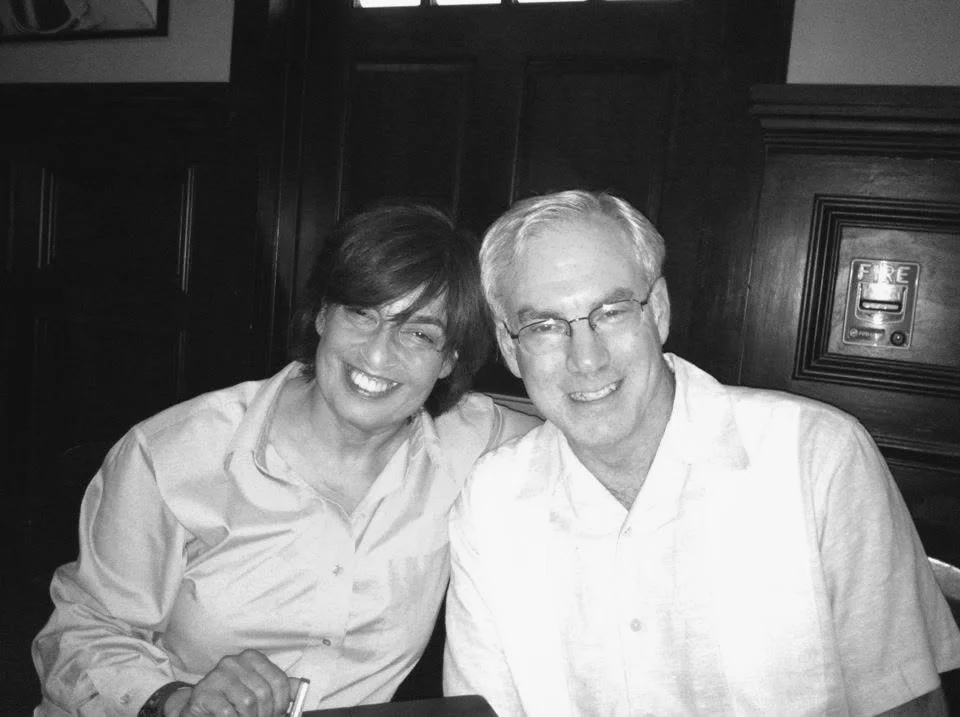
Cellular Healing
In 1978, there were fewer treatment options for my conditions than there are today, and sometimes the side effects of the available treatments created problems of their own. I wasn't interested in abandoning medicine. I was interested in finding out what else I could do.
So I started exploring what was available.
I tried macrobiotics and orthomolecular medicine. I learned to meditate. I began psychotherapy. None of this produced a miraculous moment in which I got out of bed and declared myself healed. What happened was much less dramatic and, to me, much more interesting: over a period of months, I noticed that I could function longer into the day before I needed to go back to bed.
Something had changed.
My therapist introduced me to the work of Carl Simonton, Jerry Jampolsky and Bernie Siegel, physicians who were exploring what we would now call mind-body medicine. At the time, their willingness to take seriously the relationship between the mind, the body and the experience of illness was far outside conventional medical thinking.
I participated in their workshops first as a patient and later as a student. I tried things. I paid attention. I kept what worked and discarded what didn't.
Gradually, I stopped experiencing myself as entirely at the mercy of my diagnoses.
That did not mean pretending I wasn't sick. I was sick. It didn't mean believing I could control everything that happened in my body. I couldn't.
It meant becoming interested in the part that was mine.
Grew out of all of it
I didn't sit down one day and invent Cellular Healing.
It developed over decades as I kept noticing patterns—in myself and eventually in the people I worked with.
Our bodies are remarkably good at learning what we need in order to get through something. We adapt to illness, pain, fear, trauma, relationships, loss and prolonged periods of uncertainty. We learn to brace. To protect. To anticipate. To conserve. To stay alert. Sometimes those responses are enormously useful.
And sometimes the circumstances change, but the pattern remains.
That became increasingly interesting to me.
What happens when we stop treating those patterns as permanent facts about who we are and become curious about what the body has learned? What happens when the body has an opportunity to experience something different?
Over the years, I refined a way of working with those questions. I draw on what I learned through early mind-body medicine, decades of clinical work and, inevitably, a lifetime of inhabiting my own complicated body.
That work became Cellular Healing.
During a session, I guide people into a deeply restful state where we can begin to notice what the system has learned and work with it differently. You remain awake and aware. You don't have to meditate, empty your mind or think positively. I'm not interested in convincing you that something terrible was actually wonderful, and I'm certainly not interested in blaming people for becoming ill or for the ways they learned to survive.
I'm interested in what your body is doing now.
And I'm interested in what else might be possible.
At seventy-five, I am still finding out
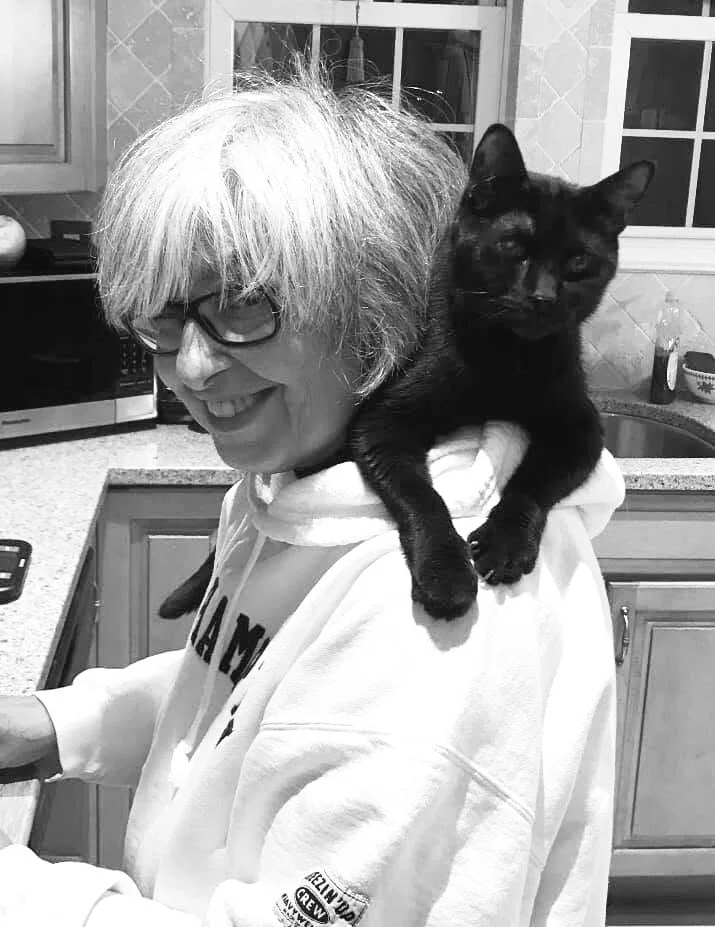
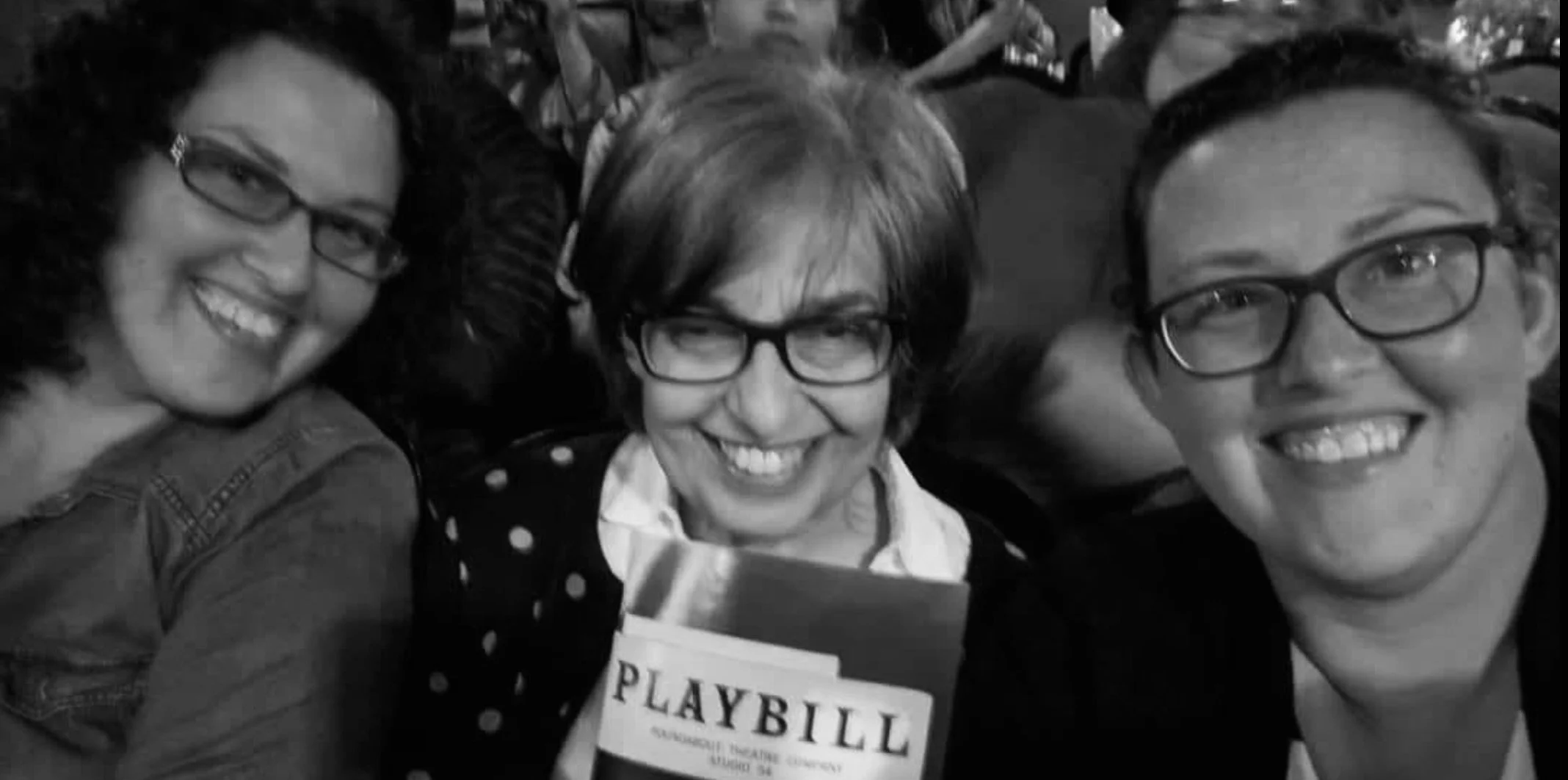
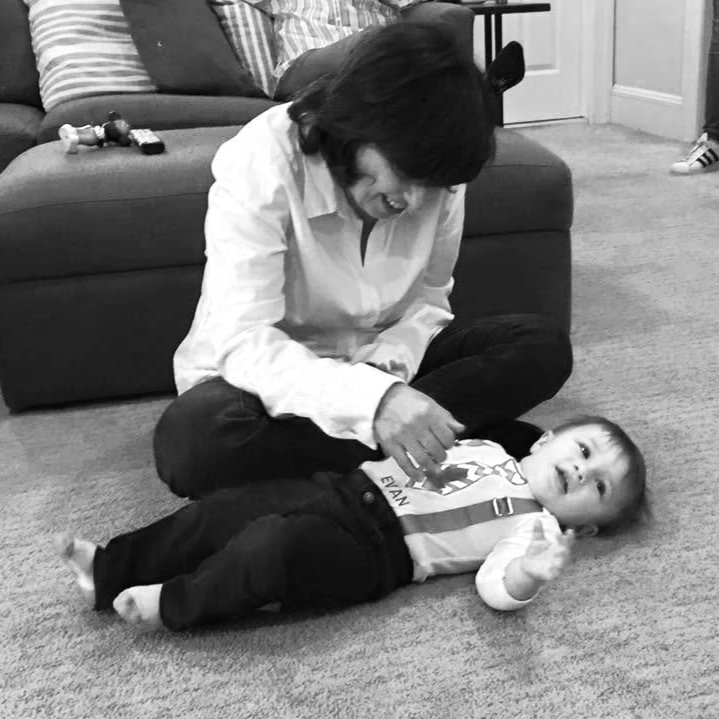
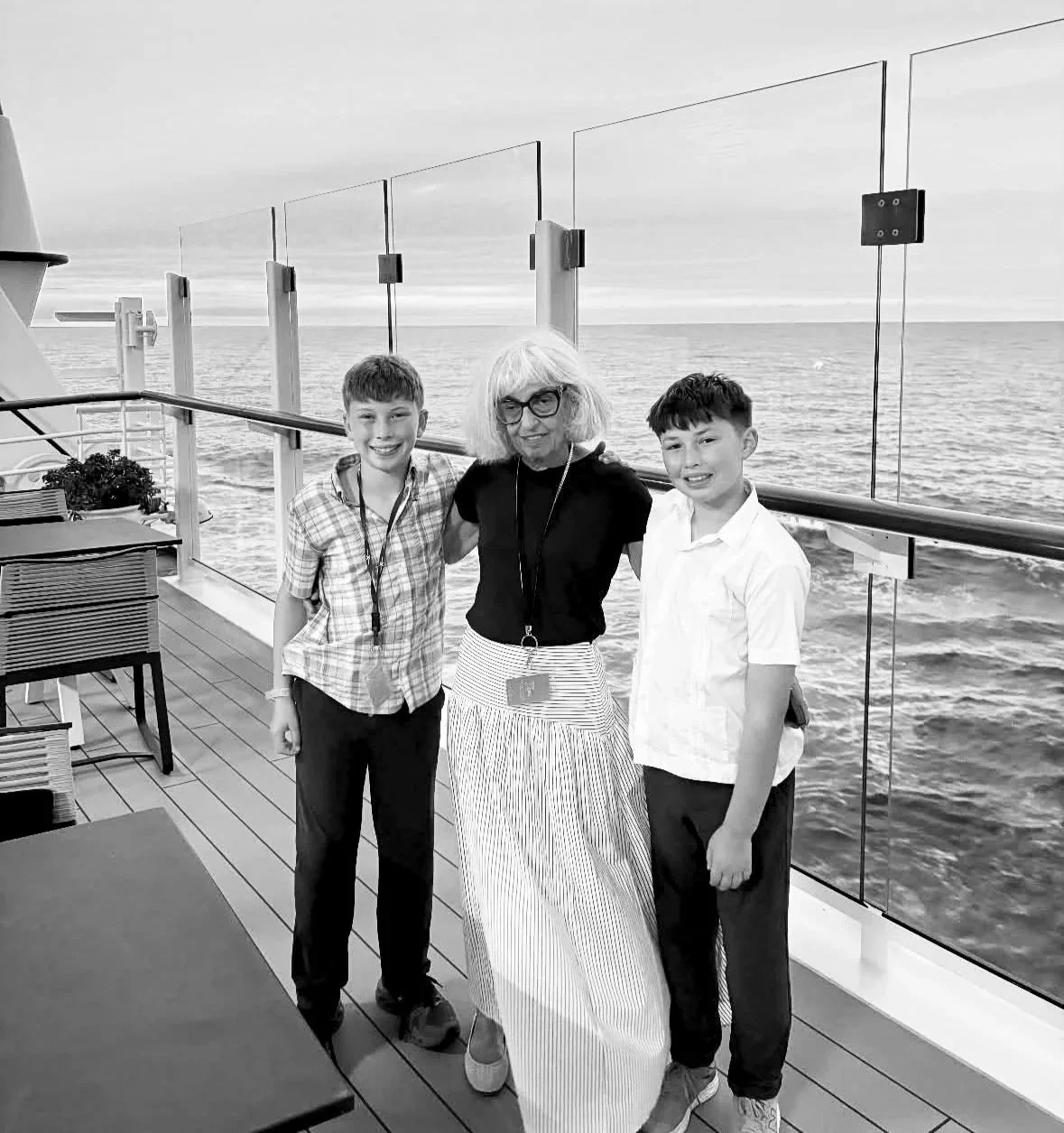
I still have a complicated body. I also lift weights, travel, work and write. I am currently writing a novel. I have children, people I love, things I want to learn and places I still want to go.
I don't tell you this because I think my life proves that everyone can have the same outcome I have had. It doesn't.
I tell you because I know what it is to have someone look at your circumstances and form a conclusion about the life available to you.
I've been on the receiving end of those conclusions for most of my adult life.
Some were medically accurate and saved me. Some turned out to be incomplete. Learning the difference has been one of the great educations of my life.
It is also why I don't make promises about what Cellular Healing will do for someone. I don't promise cures. I don't tell people to abandon medical or mental health treatment. I don't believe that everything happens for a reason, or that a sufficiently positive attitude can protect us from being human.
What I do believe is that we are more than the things that have happened to us.
There can be a great deal of life between a diagnosis and a prognosis, between an experience and the patterns we developed because of it, between what our bodies have learned and what they may still be capable of learning.
That's the territory I've spent most of my life exploring.
More life to live
My purpose at this point in my life is fairly simple: I want to live the best life possible, and I want to help other people do that for themselves.
If you've come to this website because something has happened to your body or your life and you have a sense that there might be more available to you than what you're experiencing now, we can start there.
Before I work with anyone, we talk. You can tell me what's happening, what you've already tried and what you would like to be different. You can ask me questions. I'll ask some of my own.
And we'll see if Cellular Healing is the right work for you.
Book a Private conversation with Nina Frankel · Sessions available on Zoom